
VRF
سیستم VRF از چند جزء اصلی تشکیل شده است که هرکدام نقش مشخصی در عملکرد کلی سیستم دارند.
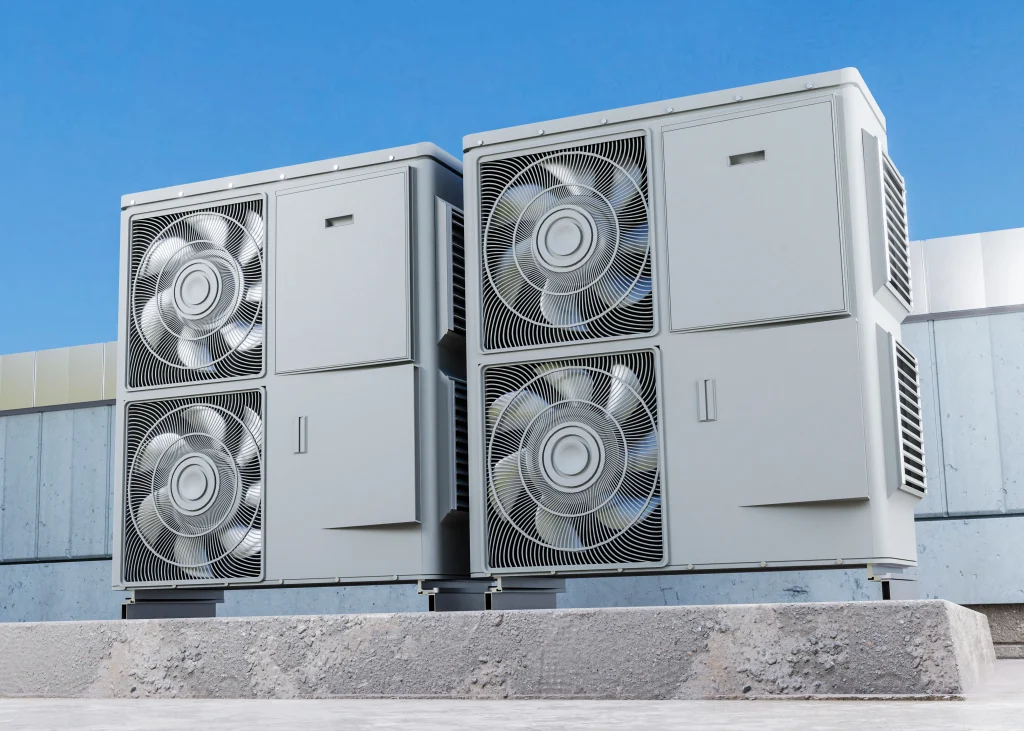
یونیت خارجی (Outdoor Unit) شامل کمپرسور و مبدل حرارتی است که وظیفه تأمین مبرد و کنترل فشار سیستم را برعهده دارد.
یونیتهای داخلی (Indoor Units) انواع مختلفی دارند، از جمله دیواری، سقفی، کاستی و کانالی، و وظیفه آنها توزیع هوای سرد یا گرم در فضای داخلی است.
شیرهای انبساط الکترونیکی (EEV) در نزدیکی هر یونیت داخلی نصب میشوند و میزان ورود مبرد به اواپراتور را تنظیم میکنند.
لولههای مبرد (Refrigerant Piping) مسیر انتقال مبرد بین یونیت خارجی و داخلی را فراهم میکنند و معمولاً شامل دو یا سه لوله هستند (بسته به نوع سیستم Heat Pump یا Heat Recovery).
کنترلرهای محلی (Local Controllers) برای هر یونیت داخلی به کار میروند و امکان تنظیم دمای هر فضا را به صورت مستقل فراهم میکنند.
در نهایت، یک کنترلر مرکزی (Central Controller) میتواند تمام یونیتها را در یک سیستم به صورت یکپارچه مدیریت کند، به ویژه در پروژههای بزرگ یا ساختمانهای چندبخشی.
VRF
The VRF system is composed of several main components, each playing a specific role in the overall system operation
The outdoor unit contains the compressor and heat exchanger, responsible for supplying refrigerant and controlling the system pressure
Indoor units come in various types, such as wall-mounted, ceiling-suspended, cassette, and ducted units, and are responsible for distributing cooled or heated air within the indoor space
Electronic Expansion Valves (EEVs) are installed near each indoor unit and regulate the amount of refrigerant entering the evaporator
Refrigerant piping provides the path for transferring refrigerant between the outdoor and indoor units, typically consisting of two or three pipes depending on whether the system is Heat Pump or Heat Recovery
Local controllers are used for each indoor unit, allowing independent temperature adjustment in each space
Finally, a central controller can manage all units within the system collectively, especially useful in large projects or multi-section buildings